01
Customer portals
Accounts, orders, invoices, documents, tickets and statements for your customers, with SSO, notifications and a mobile-friendly layout.
SpikeSecure builds web applications for Singapore businesses from Coimbatore, India: customer and partner portals, dashboards, booking and workflow apps, and the web front ends of SaaS products, with authentication, roles, search and reporting, hosted in a Singapore cloud region, on a fixed-scope proposal with weekly demos in your afternoon.
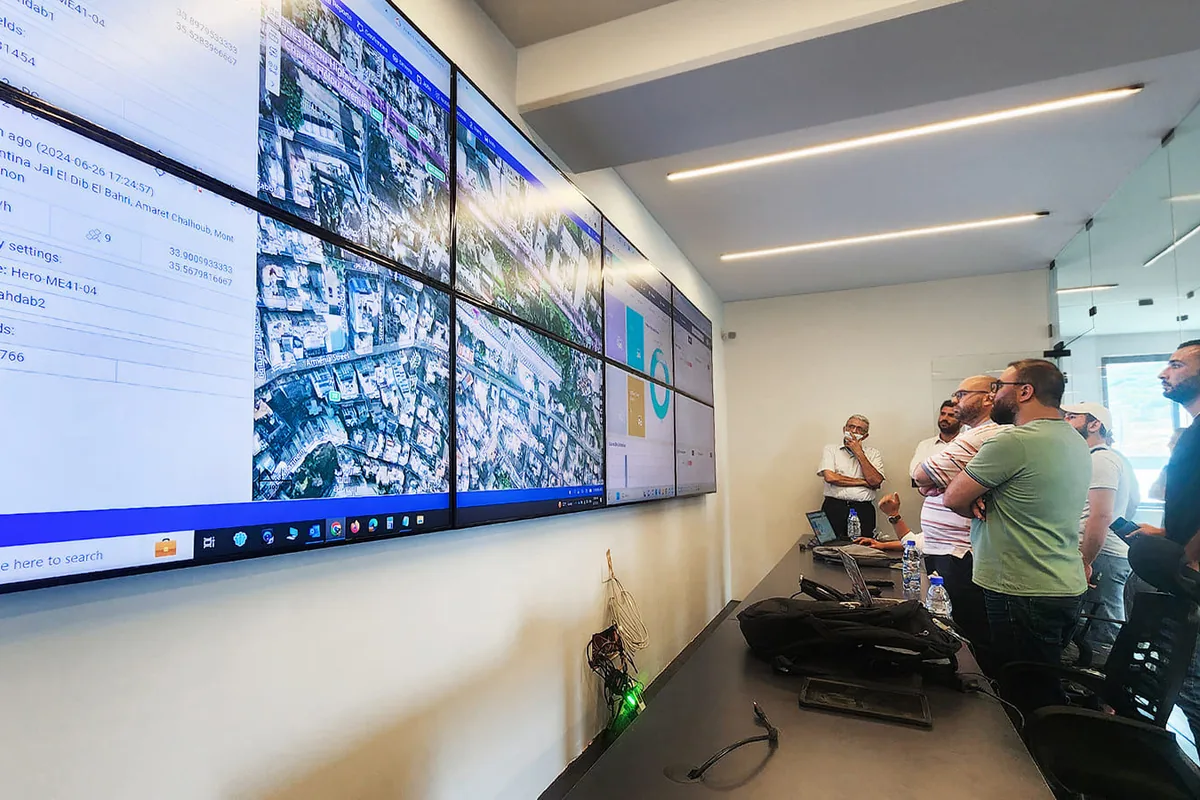
A web application is software your users log in to in the browser: a customer portal, a partner or dealer portal, an operations dashboard, a booking or scheduling system, a document or case-management tool, or the web side of a SaaS product. SpikeSecure builds these for Singapore companies from Coimbatore, India, on Next.js for the front end, NestJS or Node.js APIs and PostgreSQL, with single sign-on, role-based access, search, reporting and integrations, delivered on a fixed-scope proposal with an NDA and weekly demos scheduled in your afternoon.
Web applications differ from websites in that the design work is about tasks and roles rather than marketing pages, and the engineering is about data, permissions and integrations rather than content. We start with role-by-role discovery, prototype the key screens before code, build in weekly demos on a staging URL, and deploy to AWS or Google Cloud Singapore with infrastructure as code. Everything is in repositories and accounts you own, with a 30-day warranty. Our published Indian range is ₹3–25 lakh.
Accounts, orders, invoices, documents, tickets and statements for your customers, with SSO, notifications and a mobile-friendly layout.
Pricing by partner, ordering, stock visibility, claims and commissions, onboarding and document exchange.
Operational and management dashboards over your databases and SaaS tools, with scheduled reports, exports and alerts.
Appointments, resources, classes and events with availability rules, payments, reminders and calendar sync.
Multi-step processes with roles, approvals, SLAs, audit trails and document generation for claims, applications, inspections or onboarding.
Multi-tenant applications with subscription billing, onboarding, admin consoles and public APIs, covered in depth on our Singapore SaaS page.
Singapore companies tend to run on a stack of SaaS tools plus one or two things no tool does. A web application is the piece that ties them together for your customers, partners or staff, and the requirements that matter locally are identity, integration and hosting.
Single sign-on with Google Workspace or Microsoft 365, SAML or OIDC for enterprise customers, and Singpass or other providers where your product qualifies and you hold the onboarding, with roles and permissions modelled per audience.
Accounting, CRM, payment, e-signature, messaging and logistics APIs connected with error handling and logs, so the application is the front door to systems you already run.
AWS ap-southeast-1 or Google Cloud asia-southeast1 by default for Singapore-facing applications, infrastructure as code, monitoring, backups and a runbook your IT provider can follow.
Applications are built so a mobile app, a public API or additional tenants can be added without a rewrite; see our Singapore mobile and SaaS pages for those next steps.
One audience, a handful of screens, authentication, one integration and basic reporting. 8–10 weeks. Roughly SGD 5,000 upward.
Several audiences with distinct permissions, dashboards, search, notifications and two or more integrations. 10–16 weeks.
Many roles, complex workflows, reporting, SSO for enterprise customers and a public API. 16–24 weeks in phases.
Number of roles and screens, integration count and depth, reporting complexity, SSO and compliance requirements, and real-time features.
A pilot group uses the application before general release; dated milestones and acceptance criteria are written into the proposal.
Singapore cloud hosting (typically SGD 100–600 a month), third-party API fees, and optional maintenance from ₹15,000 a month.
Read how we choose between stacks on the technologies page.
Scheduled around Singapore afternoons; every step is written into the proposal.
Two or three video sessions in your Singapore afternoon to map users, integrations and constraints; mutual NDA signed first. You receive a fixed-scope written proposal, usually within 48 hours of the last session.
Wireframes, a design system and a clickable prototype reviewed with your stakeholders before any code is written.
Weekly demos on a staging URL, GitHub access from day one, a Friday written status note, and a shared channel for questions during the overlap window.
Functional, performance, accessibility and security testing against a pre-launch checklist you sign off in writing.
Deployment to your chosen Singapore cloud region or app stores, monitoring and backups configured, and a launch-week watch with you.
30-day warranty, then optional maintenance with monthly reports, or a documented handover to your team.
Signed before any brief is shared, on your template or ours. Sub-contractors are not used without written consent.
Repositories, cloud accounts, app store listings, domains and design files are created in your name; we hold no licence over the delivered work.
HTTPS with HSTS, security headers, OWASP Top 10 review, role-based access, encrypted secrets, audit logs and dependency scanning, plus a penetration test before launch on client-facing systems.
Data stays in the cloud region you choose. We implement the data-protection, retention and consent requirements your compliance advisers specify; we do not provide legal advice on Singapore regulation.
Core Web Vitals targets, WCAG 2.1 AA checks, and SEO and AEO fundamentals (clean URLs, structured data, llms.txt) built into every web deliverable.
Documentation, infrastructure as code, tested backups and a recorded handover, so a Singapore team or another vendor can take over without us.
SpikeSecure has one office, at CHIL SEZ IT Park, Saravanampatti, Coimbatore, India. Singapore clients are served remotely by that engineering team; there is no Singapore office, entity or local staff, and we do not claim one.
A website informs and converts visitors; a web application is software users log in to, with data, roles and workflows. Web applications need role-by-role design, an API, permissions, integrations and operational hosting, which is why they are scoped and priced differently from websites.
Yes. OIDC with Google and Microsoft, SAML for enterprise customers, and identity providers such as Singpass where your product qualifies and you hold the onboarding, using Auth0, Keycloak or the provider SDKs.
AWS Singapore or Google Cloud Singapore by default for Singapore-facing applications, or the region you specify, with infrastructure as code and accounts in your name.
Yes. The API is designed to be shared, so a Flutter or React Native app can be added with the same accounts and data; our Singapore mobile app page covers that phase.
Load tests against realistic data, Core Web Vitals checks, OWASP Top 10 review, dependency scanning and a penetration test before launch for client-facing applications, with findings fixed under the fixed scope.
Yes. A code and infrastructure audit first, then a stabilisation scope, migration of the code into your repositories if needed, and continued development or maintenance on a fixed scope.
In Coimbatore, India. SpikeSecure has no Singapore office; your project is delivered remotely under an NDA with weekly demos scheduled in your Singapore afternoon (our 09:30–18:30 IST day is 12:00–21:00 SGT).
You do. Source code goes into a GitHub organisation in your name, and cloud, app store and domain accounts are yours from day one, with the intellectual property in the delivered work assigned to you.
From roles, screens, integrations and reporting, priced as a fixed amount using our published Indian range (web applications ₹3–25 lakh) as the starting point, quoted in SGD, USD or INR and paid in milestones.
A 30-minute discovery call and a fixed-scope quote — usually within 48 hours. No deck, no sales theatre.