01
Landmark-accurate application
Lips, eyelids, lash lines, cheeks and brows segmented from the face mesh every frame, so colour stays inside the line when the shopper talks, smiles or turns.
Lipstick, foundation, blush, eyeshadow, kajal and eyeliner rendered on the shopper's own face in real time, with shades calibrated to your products and a foundation finder for Indian skin tones. SpikeSecure builds AR makeup try-on for websites, apps and in-store screens from Coimbatore for beauty brands and retailers across India.
Virtual makeup try-on finds the lips, eyelids, cheeks, brows and skin regions from 468 face landmarks on the shopper's camera, then blends each product's calibrated colour and finish (matte, satin, gloss, shimmer) into that region with the skin's own texture and lighting preserved, so a lipstick looks applied rather than painted on. SpikeSecure builds makeup try-on for websites, Android and iOS apps and store screens: a web widget for one or more categories costs ₹5–10 lakh and takes 8–12 weeks; a beauty app with try-on and shade finder costs ₹10–18 lakh.
Shade uncertainty is the main reason cosmetics are not bought online, and the main reason they are returned. Try-on that is calibrated to your real products and tested across Indian skin tones removes that doubt on the product page, where the purchase decision happens.
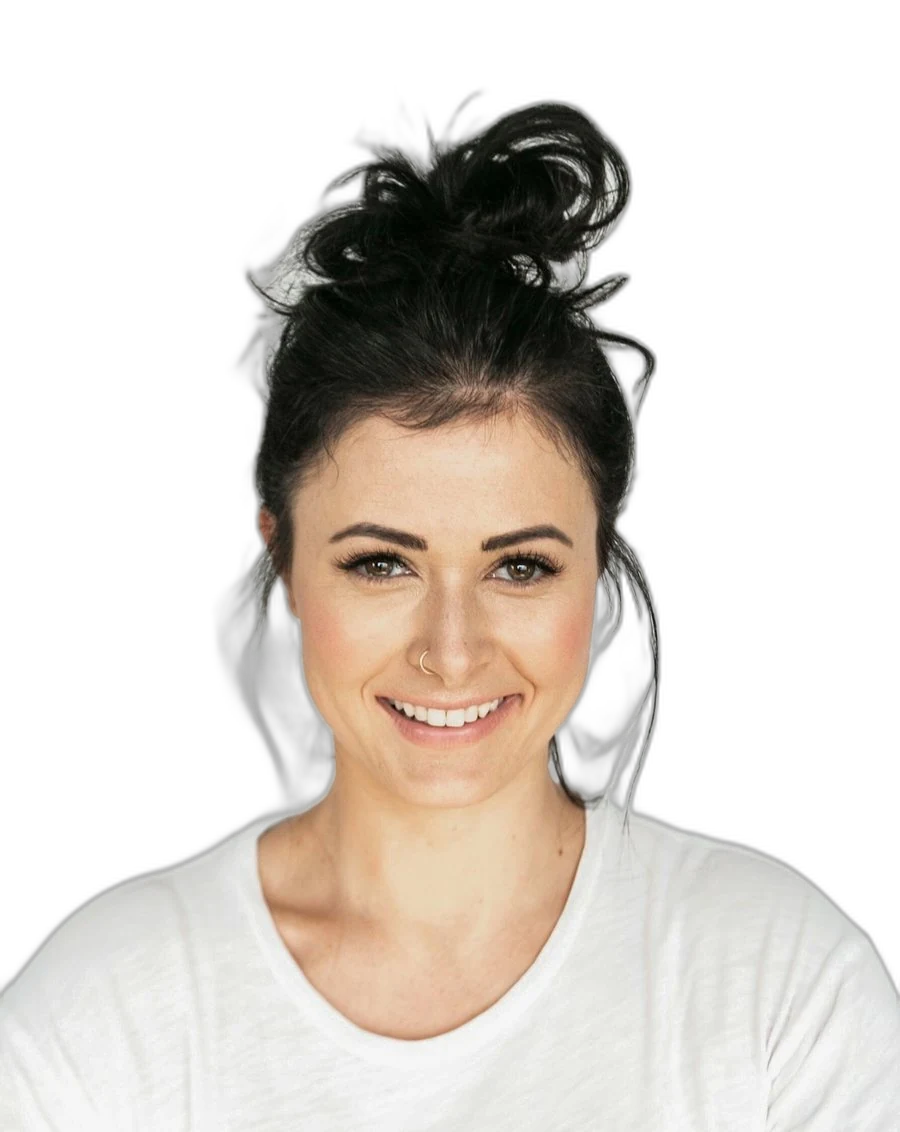
Live on the real photo: the lipstick shade changes in real time on her lips while the before-and-after slider sweeps across the face; the swatch ring and product name follow the shade.
Model photo: Unsplash. Product shades and names are placeholders replaced by your catalogue.
Lips, eyelids, lash lines, cheeks and brows segmented from the face mesh every frame, so colour stays inside the line when the shopper talks, smiles or turns.
Product colour and finish blended over the shopper's own skin texture, pores and lighting, with matte, satin, gloss, metallic and shimmer finishes rendered differently.
Skin-tone and undertone estimation with lighting correction, matched to your shade range, plus side-by-side comparison of two or three shades on the face.
Multi-product looks (lip plus eyes plus cheeks) applied in one tap, editorial looks curated by your team, and step-by-step application guidance.
Try-on on product pages, shade switching from the swatch row, add-to-cart from the try-on, saved and shared looks, on Shopify, WooCommerce, Magento or custom stores and in Flutter apps.
Shades tried, looks saved, add-to-cart from try-on and return comparisons in a dashboard; camera processed on the device with explicit consent and DPDP-aligned handling.
Browser-based try-on for lips, eyes and cheeks on your store, shade calibration for the first product batch, catalogue sync, analytics. 8–12 weeks.
Flutter app for Android and iOS with try-on, foundation finder, looks, catalogue, cart and saved looks, or try-on added to your existing app. 10–14 weeks.
Counter-top or standing screens with the same try-on, shade finder and QR handoff to the shopper's phone; hardware and software quoted per unit.
Measurement and rendering calibration for each product and finish, checked across skin tones, quoted per batch of shades.
Number of categories and shades, foundation finder in scope, web versus app versus both, and whether rendering uses an open pipeline or a licensed beauty SDK.
New shade calibration, optional SDK licences, hosting, and maintenance from ₹20,000 per month.
The same six steps run on every project we take in Coimbatore, whether it is a five-page website or a multi-vendor platform.
Catalogue audit (how many SKUs, what imagery or 3D exists), platform choice (web widget, app or both), accuracy targets, and a fixed-scope written quote within 48 hours.
3D modelling or photogrammetry of frames, shade calibration from product swatches, with a QA sheet per SKU.
Face and hand landmark tracking, lighting and occlusion handling, rendering on WebGL or native AR, tested on mid-range Android phones and iPhones.
Shopify, WooCommerce, Magento or custom storefront integration, product mapping, add-to-cart from the try-on, analytics events.
Accuracy checks across skin tones, lighting and face shapes, performance budgets, privacy review (camera consent, on-device processing), accessibility.
Conversion and engagement dashboards, A/B tests on placement, new SKUs added through the pipeline, 30-day warranty then optional maintenance.
A web-based makeup try-on on an existing store costs ₹5–10 lakh at SpikeSecure and takes 8–12 weeks; a beauty app with try-on and a foundation shade finder costs ₹10–18 lakh. Shade calibration is quoted per batch of products, and licensed beauty SDK fees, if chosen, are billed at cost.
Lipstick and lip liner, foundation and concealer, blush and bronzer, eyeshadow, kajal, eyeliner and mascara, brow products and highlighter, individually or as full looks. Bindis, earrings and necklaces can be added with the same face tracking.
Shades are calibrated from real product swatches and validated across light to deep Indian skin tones with lighting correction, which is where generic SDKs are weakest. Accuracy is checked on real phones before launch and re-checked as shades are added.
Yes. The shade finder estimates skin tone and undertone from the camera with lighting correction, matches your range, and lets the shopper compare two or three candidate shades on their face before buying.
Both. The web try-on runs in the browser on Android and iPhone from a product page; the app adds better performance, saved looks and native features. Many brands start with the web widget.
No, by default. Frames are processed on the device and discarded. If a shopper saves or shares a look, that image is stored with consent, under DPDP Act 2023 aligned handling.
Yes. When speed matters and recurring fees are acceptable, we integrate SDKs such as Perfect Corp or Banuba into your store or app; when ownership and cost over time matter more, we build on open frameworks. The quote shows both options.
Yes. Counter and kiosk mirrors run the same try-on and shade finder with a QR handoff so the shopper continues on their own phone, connected to store inventory.
A 30-minute discovery call and a fixed-scope quote — usually within 48 hours. No deck, no sales theatre.